The case for five
Most wardrobes are built by accident — a shirt here, a sale there, a drawer that never quite closes. We started OSSE by asking the opposite question: what is the smallest number of garments a person actually needs?
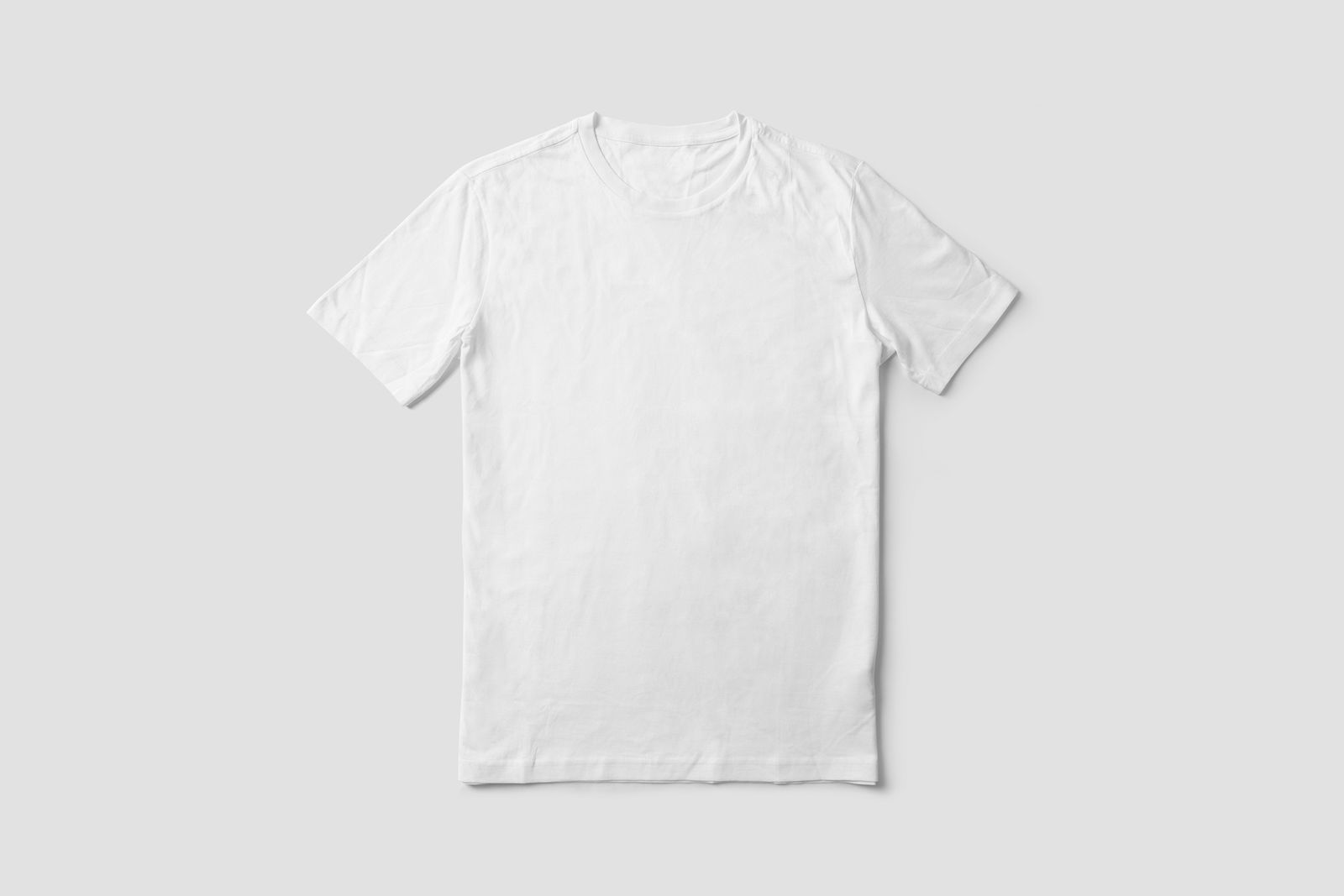
The answer, for us, was five. A tee. A shirt. A sweatshirt. A hoodie. A sweatpant. Between them they cover a working life on this coast — the desk, the trail, the ferry, the late walk home in the rain.
Depth over width
Working with five forms concentrates attention. Pattern, fabric weight, collar, seam and pocket can be reviewed without building a catalogue around novelty. Nothing needs to be new for the sake of new.
A narrow collection does not automatically prove quality, fair pricing or low impact. Those questions still require product records, testing and transparent commercial terms.
Why five is the starting point
The discipline is editorial: a new garment has to solve a clear need rather than fill a seasonal slot. Five is the current core, not a theatrical promise that the catalogue can never evolve.
The goal is simple: familiar garments, described precisely, cared for properly and assessed for repair before replacement.